
Adaptive Living
Practical Tools. Smart Design. Confident Independence.
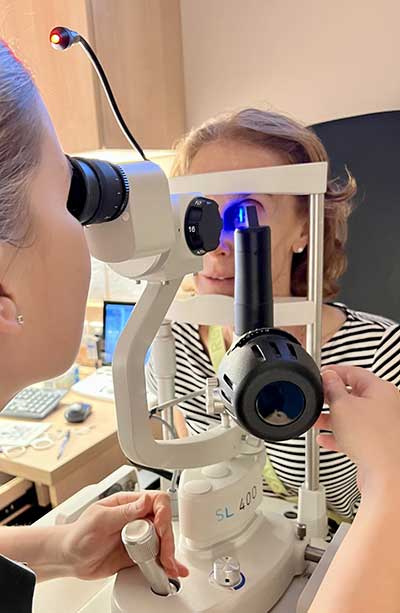
Adaptive Living is about creating systems that work for you. It’s about using technology, thoughtful design, and simple modifications to maintain independence, safety, and confidence at home, at work, and in the community. With the right tools and adjustments, daily life becomes more efficient, accessible, and empowering.
Harness the Power of Assistive Technology
Technology expands access, independence, and connection.
Use smart glasses that provide real-time descriptions and connect to support services such as Be My Eyes.
Utilise screen readers, magnification tools, and voice assistants to reduce visual strain and increase efficiency.
Explore accessible apps for navigation, reading, colour identification, and object recognition.
Improve Lighting, Contrast, and Layout
Small environmental changes can dramatically improve safety and usability.
Position task lighting directly over workspaces, particularly in kitchens, bathrooms, and offices.
Reduce glare by adjusting bulb type, temperature, and placement.
Increase contrast on stairs, doorframes, light switches, and benchtops.
Keep pathways clear and maintain consistent organisation throughout the home.
Use Practical Daily Living Tools
Simple tools can transform everyday tasks and restore confidence.
Label clothing, pantry items, and household products using audio labelling systems.
Use talking thermometers, measuring tapes, kitchen scales, clocks, and microwaves.
Choose tactile markers or bump dots to identify settings on appliances.
Choose Adaptive Products Designed for You
More products are now created with accessibility in mind.
Look for beauty and hair products with tactile, braille, or smart packaging.
Choose containers designed to prevent rolling or slipping.
Select everyday items with raised markings or high-contrast labelling.
Accessible design is expanding — and comfort grows when products work with you, not against you.
Select the Right Mobility Tools
Different environments call for different supports.
Explore various cane types suited for urban travel, beaches, trekking, or airport navigation.
Choose cane tips that match terrain and comfort preferences.
Seek professional orientation and mobility guidance when selecting mobility equipment.
Stay Active with Adaptive Sport
Movement strengthens both body and confidence.
Participate in sports designed specifically for blind and low vision athletes, such as goalball.
Engage in adapted versions of tennis, cricket, and football using sound-enabled balls.
Join inclusive or competitive sporting groups to build fitness, balance, and community.
Adaptive Living is not about limitation — it is about intelligent adjustment. With the right tools, technology, and design choices, independence evolves, comfort increases, and confidence strengthens.